Keep your fence longer: a lower-waste approach to fence care
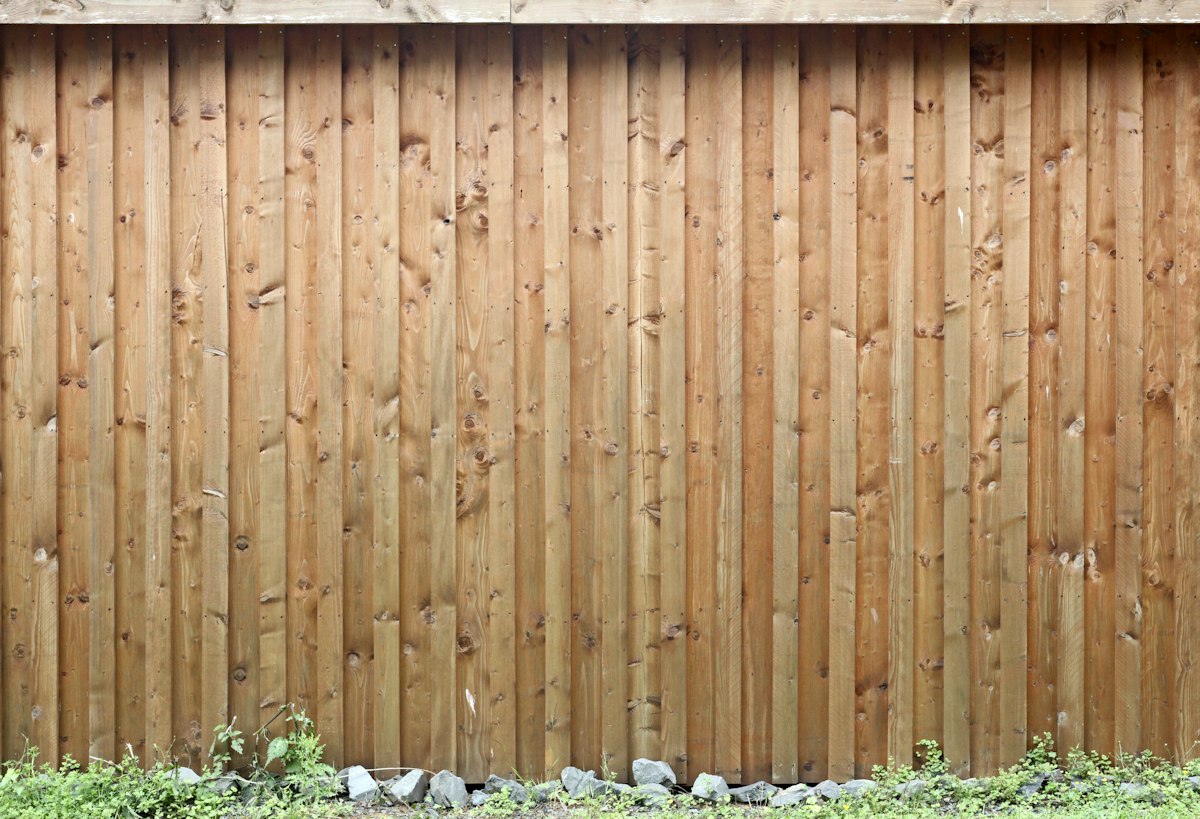
A fence is easy to ignore until it starts to look tired.
Boards grey and split, steel panels go chalky and rendered walls crack. At that point many people start pricing a new fence. Often that is not the only option.
Looking after the fence you already have keeps materials out of landfill and saves the energy that goes into making and delivering a replacement. It is one of the simpler sustainable choices a household can make.
In Perth, Pro Painting Works is a family-owned painting business based in Stirling that paints timber, steel, brick and rendered fences across the city’s western and northern coastal suburbs. The way it approaches fence work offers a useful checklist for anyone trying to get more years from an existing boundary.
Why keeping a fence matters
Every building material carries a hidden energy cost. It takes energy to extract the raw material, process it, make it into a product, transport it and install it.
The Australian Government’s YourHome guide on embodied energy explains this idea and notes that repairs and renovations add to a home’s energy use over its life. Its advice to design for a long building life applies just as well to fences.
When a fence can be repaired and recoated, most of that embodied energy has already been spent. Replacing it starts the count again.
Start with a close look
Before deciding anything, walk the full length of the fence. Look at it from both sides if you can.
Things to check include:
- Loose, cracked or soft timber boards
- Rot at the base of timber posts, where moisture sits
- Rust spots or bubbling on steel panels and gates
- Cracks in render or loose mortar in brick walls
- Chalky, faded or flaking paint
Soft timber that crumbles under a screwdriver is a sign of rot. A few bad boards or a single post can usually be replaced on their own, which keeps the rest of the fence in service.
Pro Painting Works checks for rot and rust as part of its preparation and flags rotten boards or posts before any painting starts. That kind of honest assessment helps you avoid painting over a problem.
Clean before you coat
Dirt, mould, salt and chalky residue all stop paint from bonding properly. If you paint over them, the new coat can fail early, and that means more paint and more work sooner.
A good pressure clean removes most of this. Loose material is then scraped and sanded back to a sound edge.
It is worth washing a fence once or twice a year even when you are not painting. Coastal fences benefit most, because salt builds up on surfaces and speeds up wear.
Match the product to the material
Each fencing material needs a different approach. Using the right primer and coating means the finish lasts longer, which reduces how often it needs redoing.
Here is how Pro Painting Works describes matching the system to the surface:
- Colorbond and powder-coated steel get a bonding primer once the chalked layer is removed
- Bare timber gets a timber primer, though some hardwoods suit a penetrating stain or oil better than paint
- Render is sealed with a masonry sealer before the topcoat
- Brick needs a breathable system so moisture can escape
- Steel and metal get a rust-inhibitive primer, then an exterior metal coating
A breathable system on brick is a good example of thinking long term. Trapped moisture can push paint off from behind, so letting the wall breathe protects both the coating and the masonry.
Consider stain on timber
Hardwood fences, such as jarrah, often have attractive grain. A penetrating stain or oil keeps that grain visible and soaks into the timber instead of forming a skin on top.
Stains can be easier to maintain on some timbers, since a fresh coat can often go straight over a clean surface. Ask about the options for your particular fence before you choose.
Timing affects how long paint lasts
Weather has a real effect on how well a coating cures. Paint applied in the wrong conditions may not last as long as it should.
Pro Painting Works prefers autumn and spring for fence work. Summer work is possible, but hot surfaces limit painting, so shaded sections are done first. In winter, it works in dry spells and will not apply a coat if rain is forecast within the recoat window.
Once a fence is painted, give it a few days before you lean things against it or plant up close. Full curing takes longer than the time it takes to feel dry.
Work with your neighbours
Most boundary fences are shared. Painting both sides in one visit uses one setup instead of two, and Pro Painting Works notes that this costs less than two separate visits.
You will usually need your neighbour’s agreement to access their side. A friendly conversation early on can turn one fence job into a shared improvement for both properties.
If only one side is being painted, the other side should be masked and protected so overspray does not drift onto it.
Bundle the work
Standalone fence jobs carry their own setup and travel. Grouping fence painting with other exterior work, such as window frames or eaves, can make better use of each visit.
Fewer trips also means fewer vehicle kilometres, which is a small but real saving.
Protect the garden while you work
Fences sit right next to garden beds, paving and lawns. Good preparation covers these areas so paint and wash-down water do not end up in the soil.
Pro Painting Works lists protecting garden beds, paving and retaining walls as part of its fence preparation. If you are doing the work yourself, lay down drop sheets and keep products away from drains.
How long a fresh coat can last
According to Pro Painting Works, a well-prepared fence coating usually lasts five to eight years in most Perth locations. Fences close to the coast sit at the shorter end. Sheltered rear boundaries tend to last longer.
Small habits help stretch that time. Wash the fence regularly, check timber post bases each year and touch up small chips before water gets in.
A practical plan for your fence
Walk the fence and note any damage. Replace only the parts that have failed. Clean it well, choose a coating that suits the material, and paint in good weather.
Then keep it clean and check it once a year. A fence looked after this way can keep doing its job for a long time, without the cost and waste of tearing it out.