Waterwise Landscaping Tips for Perth’s Hot Summers
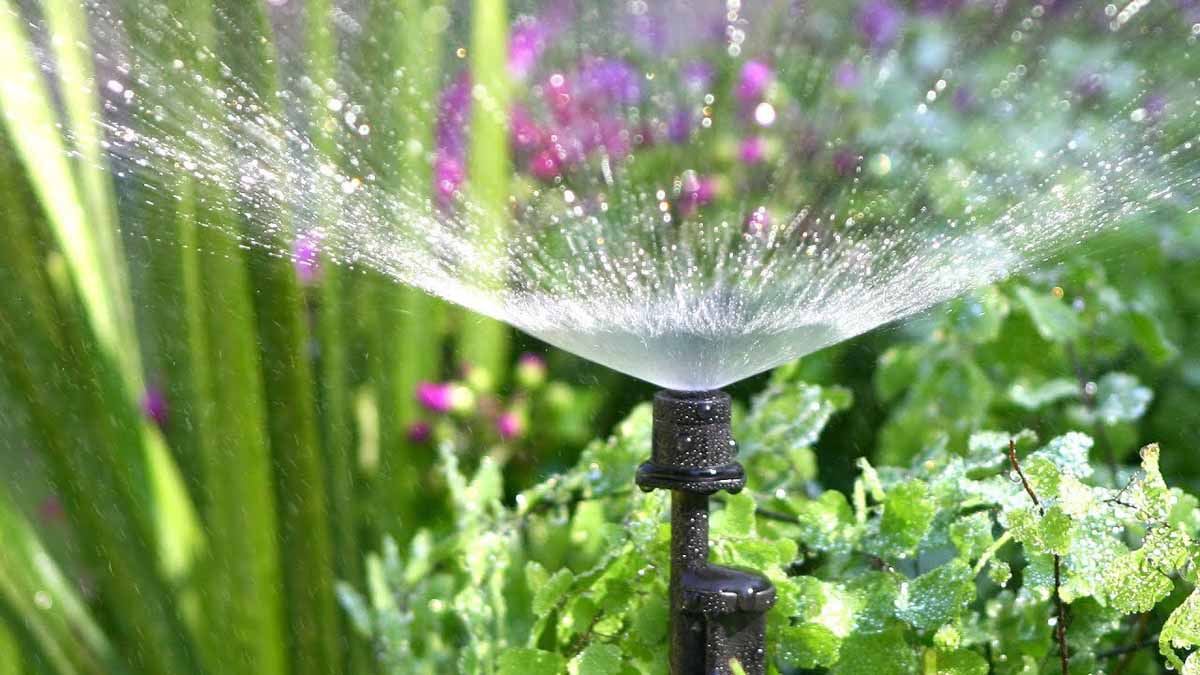
If you live in Perth and have tried to keep a garden alive during summer then you know the struggle all too well.
By the time January rolls around the ground feels like concrete, your plants are hanging on for dear life and your retic is running overtime.
But if your design is right it doesn’t have to be like that. If you choose the right plants and design well then you can have a thriving garden all summer long. To achieve this, consider consulting professionals who specialise in water wise Perth gardens, such as Martin Cuthbert Landscapes.
It’s about being smarter with what you have, the climate, the soil and the plants that actually like living here.
So, how do Perth landscapers create gardens that survive the heat and still look good? Let’s dig in.
Work With the Climate, Not Against It
Perths summer is here to stay. Where we like it or not. And you cant outsmart Perth’s summer. Temperatures climb past 35°C, the wind dries out everything in sight and rainfall disappears for months.
But that doesn’t mean your garden has to suffer.
Instead of fighting the climate, a waterwise garden design works with it.
That means using plants that thrive in hot, dry conditions and designing your space to hold onto every drop of water it gets.
Think of it as gardening with the weather, not against it.
Focus on native and Mediterranean style plants. They can adapt well to dry summers and handle sandy soil beautifully.
Next use mulch generously to slow evaporation and keep roots cool. Finally, design garden beds to catch and retain water especially on sloped blocks.
Choose Plants That Actually Thrive in Perth
Perths summer is brutal and not all plants can handle it. So your best move is to choose plants that are literally designed to be in that type of heat.
Some plants don’t need to be watered really at all and thrive in the heat.
Not every plant can handle Perth’s weather. You can give them all the care in the world but some will still sulk through summer and give up completely on that first 40-degree day.
It’s smarter to work with the climate instead of against it. Go for plants that enjoy the heat and don’t mind a bit of neglect.
Think about mixing in a few local favourites that landscapers often rely on.
Kangaroo paw, for instance, absolutely loves full sun and sandy soil.
Coastal rosemary stays neat and tidy even with minimal trimming, while olive trees bring structure and that timeless, silvery green look with barely any water.
Lavender adds both scent and colour. Plus, the bees adore it.
For something more native, grevilleas and bottlebrushes are almost indestructible and keep the birds happy too.
To add contrast, weave in ornamental grasses or a few sculptural succulents. They hold up beautifully through summer and help tie everything together.
The Soil Is Half the Battle
You can’t really talk about landscaping in Perth without bringing up the soil.
Let’s be honest, it’s not great. Most suburbs sit on sand that drains faster than you can blink. You water your garden, and five minutes later it’s as dry as ever.
It’s no surprise that experienced Perth landscapers always treat soil preparation as step one.
Without that solid foundation, even the toughest plants will struggle. Think of it like building a house. If the base isn’t right, nothing on top will last.
Rethink Your Lawn
Lawns might look good, but they’re thirsty. For most Perth gardens, grass is the biggest water user, especially through those long, dry summers.
That doesn’t mean you have to get rid of it altogether. You just need to be smarter about how much lawn you keep and what kind you choose.
If you want grassy areas for the kids or pets, go for varieties that actually cope with the heat.
Buffalo types like Sir Walter or Palmetto are soft, handle a bit of shade, and bounce back well from foot traffic.
Couch, such as Wintergreen, thrives in full sun and doesn’t need much water once it’s settled in.
Zoysia takes a little longer to grow, but once it’s established, it’s tough, dense, and easy to maintain.
You can also think about scaling back your lawn altogether.
Swapping the edges or little-used corners for native garden beds, gravel paths, or hardy groundcovers cuts your water use and saves time on mowing.
More and more Perth homeowners are heading this way, choosing smaller lawn zones as part of waterwise garden makeovers. It’s practical, low-maintenance, and still looks fantastic, all without the stress (or water bills) of a full green carpet.
Mulching
If there’s one waterwise tip every Perth gardener should follow, it’s this: never leave the soil bare.
Bare soil is like an oven tray in the sun. It heats up fast, dries out, and cooks everything under it. Mulch acts like sunscreen for your garden.
It keeps the soil cool, holds in moisture, and even stops weeds from stealing water.
Choose coarse organic mulches, such as bark chips, tree prunings, or even shredded lupin. Avoid fine mulches or dyed ones that don’t breathe well.
A lot of landscapers in Perth actually use mulch as a design feature.
The contrasting textures and colours make garden beds look more polished. It’s practical and good looking, which is always a win.
Smarter Watering
Theres no point of putting in a retic system if it points out to the road or waters your pool. You need it to go exactly where you need it to, or its essentially useless.
Every drop matters when it comes to Perths hot and dry summers. So before the next heatwave hits, it’s worth giving your irrigation system a quick checkup.
Turn it on manually and take a walk around the garden.
And here’s one of the easiest habits to change: water early in the morning. The cooler air means less evaporation, and your plants get a better soak before the heat sets in.
Many local landscapers now include irrigation audits as part of their regular maintenance services. It’s a small investment that pays off.
Group Plants by Water Needs
Putting your plants that need a lot of water next to plants that don’t using a good idea either.
Grouping plants with similar water and light requirements helps everything grow evenly. It’s how professional designers plan garden layouts.
One area may need lots of water for the plants that need a kind of rainforest environment while the one that can survive out in the bush can have less water.
But if you have two plants next to each other that need two totally different environments then things can be tricky.
This kind of zoning also makes reticulation easier. You can run different watering schedules for each section instead of drowning one area and starving another.
If you choose plants that are made to survive in your environment and design your garden around being functional and water wise then you will thank yourself in the long run.
Shade Is Your Frien
If your backyard faces out to the west then you are well aware of the harsh 3pm sun.
Having shade in your garden isn’t just a luxury, its the difference between having a garden that’s dying or one that’s thriving.
A bit of clever planning can change everything. If you just start by planting taller trees or shrubs along the western edge which can ease the harsh sun.
Design your outdoor seating areas to have roofs, shade or umbrellas to help shade the area. After all you wont want to spend anytime out there if you just constantly get burnt.
Climbing plants like jasmine, wisteria, or even grapevines can create a beautiful living shade that cools the space naturally.