Zero-Waste Mining: Australian Initiatives Reducing Environmental Impact
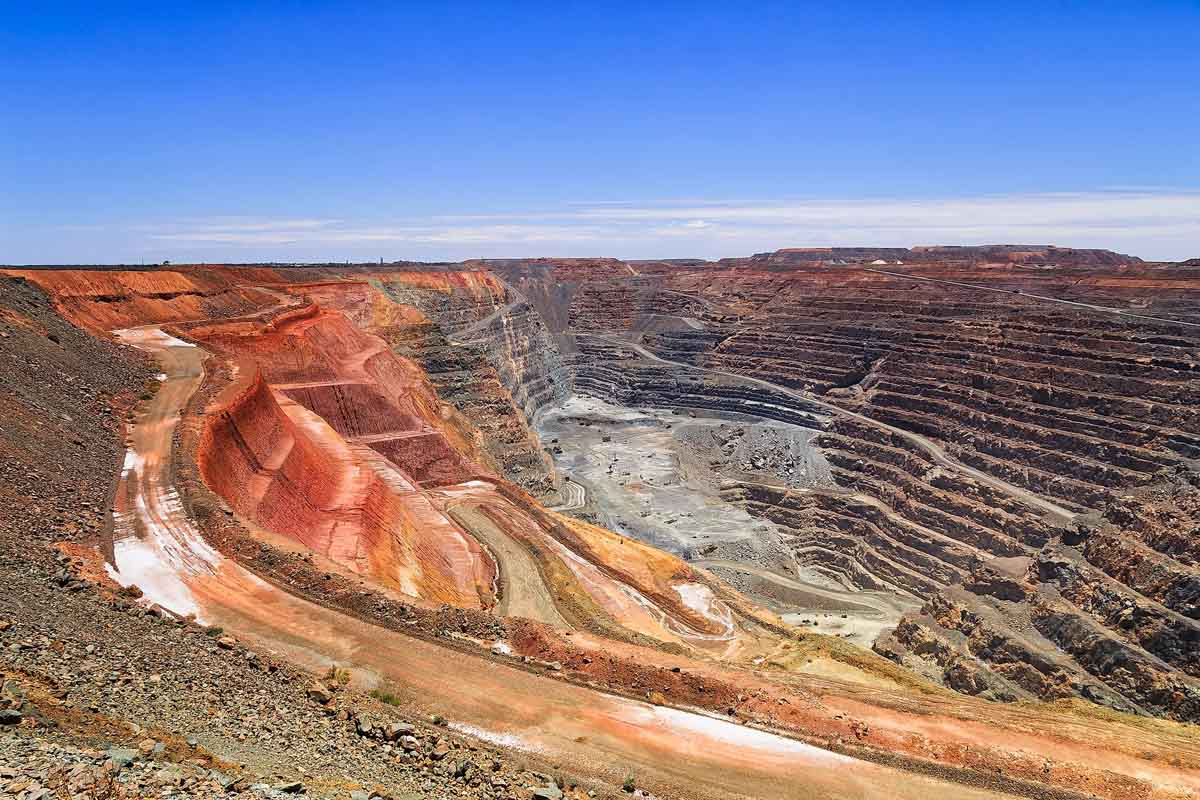
G’day, eco-warriors and mining enthusiasts! Grab your reusable water bottles and put on your thinking hardhats, because we’re about to dive into a topic that’s more exciting than finding a gold nugget in your backyard – zero-waste mining.
Now, I know what you’re thinking. “Zero-waste mining? Isn’t that like a meat-eating vegetarian?” But hold your horses, because our clever Aussie miners are turning this seeming contradiction into reality.
From the red dust of the Pilbara to the lush forests of Tasmania, mining companies are working harder than a one-armed wallpaper hanger to reduce their environmental footprint.
They’re not just talking the talk – they’re walking the walk, and leaving barely a footprint as they go. So, let’s dig into how they’re turning the dream of zero-waste mining into a fair dinkum reality.
- Tailings Management: From Waste to Wonder
Let’s kick things off with something that used to be the bane of every miner’s existence – tailings. These days, what was once considered waste is being turned into treasure faster than you can say “resource recovery.”
I visited a copper mine in South Australia where they’ve implemented a system that would make any recycling enthusiast green with envy. Instead of the traditional slurry ponds, they’re using a dry stacking method that looks like the world’s biggest sandcastle competition.
The tailings manager, Bluey, was grinning like a shot fox as he showed me around. “See this?” he said, pointing to a massive pile of dry, sandy material. “This used to be our biggest headache. Now we’re using it to backfill old mining pits, make bricks, even build roads. It’s like turning trash into cash!”
But it’s not just about finding uses for the tailings themselves. Some companies are going a step further and extracting valuable materials from their tailings. I had a yarn with Sarah, a metallurgist at a gold mine in Western Australia. She chuckled as she explained their process. “We’re like mining detectives,” she said. “We’re going back through our old tailings and finding gold, copper, even rare earth elements that we missed the first time around. It’s like getting a second bite of the cherry!”
One company that’s really leading the charge in this area is OZ Minerals. At their Carrapateena copper-gold mine in South Australia, they’re implementing a tailings management system that aims to eliminate the need for a traditional tailings storage facility altogether. I chatted with Tom, one of the engineers working on the project. He was bubbling with excitement as he told me about their latest breakthrough. “We’re not just reducing waste,” he said. “We’re creating a closed-loop system where everything gets used. It’s like the circle of life, but for mining!”
- Water Recycling: Making Every Drop Count
Now, let’s talk about something that’s as precious as gold in our sunburnt country – water. Mining companies are turning into water conservation ninjas, recycling and reusing water in ways that would make even the most frugal farmer proud.
I popped into an iron ore mine in the Pilbara where they’ve set up a water treatment and recycling system that looks like something out of a sci-fi movie. It was all pipes, tanks, and high-tech filtration systems as far as the eye could see.
The water management specialist, Shazza, was beaming with pride as she showed me around. “We’re recycling up to 95% of our water now,” she said. “In a place as dry as this, that’s not just good business – it’s essential for our survival.”
But it’s not just about recycling the water they use in their operations. Some mines are getting really clever about capturing and using every drop that falls from the sky. I saw a coal mine in Queensland that’s turned their entire site into one big rainwater harvesting system. The environmental officer, Dave, grinned as he explained their setup. “We’ve got channels and collection ponds everywhere,” he said. “When it rains, it’s like the whole site comes alive. We can capture millions of litres in a single downpour!”
One company that’s really pushing the boundaries with water management is Rio Tinto. At their Gudai-Darri iron ore mine in Western Australia, they’ve implemented a site-wide water management system that uses artificial intelligence to optimize water use across the entire operation. I had a chat with Emma, one of the data scientists working on the project. She was grinning from ear to ear as she showed me the system in action. “It’s like having a super-smart water manager that never sleeps,” she said. “The AI can predict our water needs, adjust our recycling processes in real-time, and even tell us when it’s going to rain. It’s saving us millions of litres a year!”
- Energy Efficiency and Renewables: Powering a Greener Future
Alright, let’s shift gears and talk about something that’s got environmentalists and miners alike more charged up than a solar panel at midday – energy efficiency and renewable energy.
I visited a gold mine in Western Australia where they’ve turned their entire operation into a showcase of green energy. Solar panels stretching as far as the eye can see, wind turbines spinning lazily in the breeze, and a battery storage system that could probably power a small city.
The site’s energy manager, Johnno, was practically bouncing with excitement as he showed me around. “We’re running on about 70% renewable energy now,” he said. “On a good day, we’re actually feeding power back into the grid. It’s like we’re mining sunshine as well as gold!”
But it’s not just about generating clean energy. Mines are also getting super smart about how they use energy. I saw a copper mine in South Australia that’s using artificial intelligence to optimize their energy use across the entire operation. The system manager, Sarah, chuckled as she explained how it works. “It’s like having a super-efficient energy butler,” she said. “The AI knows when to ramp up production to use excess solar power, when to charge our batteries, even when to run our most energy-intensive processes. It’s saving us a fortune in energy costs!”
One company that’s really leading the charge in this area is Fortescue Metals Group. They’ve set themselves the ambitious goal of achieving net zero emissions by 2030, not just for their own operations but for their entire value chain. I had a yarn with Tom, one of the engineers working on their green hydrogen project. He was grinning like a Cheshire cat as he told me about their plans. “We’re not just talking about powering our mines with renewables,” he said. “We’re looking at producing green hydrogen to run our trucks, trains, even our ships. It’s like we’re creating a whole new green energy industry alongside our mining operations!”
- Circular Economy: Closing the Loop
Now, let’s dive into a concept that’s got economists and environmentalists alike more excited than a dog with two tails – the circular economy. Mining companies are finding innovative ways to close the loop, turning waste into resources and reducing their environmental impact in the process.
I visited a lithium mine in Western Australia where they’ve implemented a circular economy approach that would make any recycling enthusiast weak at the knees. They weren’t just extracting lithium – they were recovering a whole suite of minerals and materials from their ore and waste streams.
The site manager, Emma, was beaming with pride as she showed me around. “We’re extracting lithium, of course, but we’re also recovering tantalum, tin, and a bunch of other valuable materials,” she said. “And we’re not stopping there. We’re even looking at ways to use our waste rock in construction materials. It’s like we’re running a whole bunch of mini-mines within our main operation!”
But it’s not just about recovering materials. Some companies are taking the circular economy concept even further, looking at how they can design their entire operations to minimize waste from the get-go. I saw an aluminium smelter in Queensland that’s partnered with a local brewery to use their waste carbon dioxide in beer production. The environmental officer, Dave, grinned as he explained the partnership. “It’s a win-win,” he said. “We reduce our emissions, they get cheap CO2 for their beer, and the local pubs get to brag about serving eco-friendly pints!”
One company that’s really embracing the circular economy is BHP. They’re not just looking at their own operations – they’re considering their entire value chain. I chatted with Sarah, one of their sustainability specialists. She was buzzing with excitement as she told me about their latest initiative. “We’re partnering with our customers to find ways to reuse and recycle the products made from our materials,” she said. “It’s not just about reducing our own waste – it’s about creating a whole ecosystem of sustainable practices. We’re even looking at ways to turn old mine sites into renewable energy hubs. It’s like we’re coming full circle!”
- Smart Mining: Using Technology to Reduce Waste
Alright, let’s talk about something that’s turning mines into tech wonderlands faster than you can say “artificial intelligence” – smart mining technologies. These clever innovations are helping mines reduce waste, improve efficiency, and minimize their environmental footprint.
I popped into an iron ore mine in the Pilbara where they’ve implemented an autonomous haulage system that looks like something out of a sci-fi movie. Massive trucks moving around the site with no drivers, guided by GPS and a central control system.
The automation manager, Shazza, was grinning from ear to ear as she showed me the control room. “These trucks are more efficient than any human driver could be,” she said. “They take the optimal route every time, they don’t waste fuel with unnecessary acceleration or braking, and they can work 24/7 without a break. It’s like having a team of super-drivers!”
But it’s not just about autonomous vehicles. Mines are using all sorts of smart technologies to reduce waste and improve efficiency. I saw a coal mine in Queensland that’s using drones and AI-powered image recognition to monitor their site for any signs of water or air pollution. The environmental officer, Mike, chuckled as he showed me the system in action. “It’s like having a thousand pairs of eyes watching the site all the time,” he said. “If there’s even a hint of a problem, we know about it straight away and can fix it before it becomes an issue.”
One company that’s really pushing the boundaries with smart mining is Rio Tinto. At their Gudai-Darri iron ore mine in Western Australia, they’ve created what they call the “mine of the future.” I had a chat with Tom, one of the engineers working on the project. He was practically bouncing with excitement as he told me about their latest innovations. “We’ve got AI optimizing our entire operation,” he said. “From the moment we drill a hole to the moment the ore leaves the site, every step is monitored and optimized for maximum efficiency and minimum waste. It’s like having a super-smart mine manager that never sleeps!”
- Rehabilitation and Biodiversity: Leaving a Positive Legacy
Now, let’s wrap things up with something that’s close to the heart of every true blue Aussie – looking after our unique environment. Mining companies are going above and beyond when it comes to rehabilitation and biodiversity protection, turning old mine sites into thriving ecosystems.
I visited a former open-cut coal mine in New South Wales that’s been transformed into a wetland that would make any bird watcher’s heart sing. It was teeming with life – water birds paddling about, frogs croaking up a storm, even a couple of platypuses poking their bills out of the water.
The rehabilitation manager, Bluey, was as proud as punch as he showed me around. “This used to be a big hole in the ground,” he said. “Now it’s home to more species than we had here before we started mining. It’s like we’re giving back more than we took.”
But it’s not just about creating new habitats. Some companies are getting really clever about how they protect and enhance biodiversity during active mining operations. I saw a bauxite mine in Western Australia that’s using seed collecting robots to harvest seeds from native plants before mining begins. The biodiversity officer, Emma, grinned as she showed me the little robots in action. “These little beauties can collect more seeds in a day than a team of humans could in a week,” she said. “And they’re so gentle, they don’t damage the plants at all. It means we can preserve the local plant species and use them to revegetate the area when we’re done.”
One company that’s really leading the charge in this area is Alcoa. At their bauxite mines in Western Australia, they’ve developed a revolutionary rehabilitation technique that’s setting new standards for the industry. I chatted with Sarah, one of the ecologists working on the project. She was bubbling with excitement as she told me about their latest results. “We’re not just restoring the land to what it was before,” she said. “In many cases, we’re actually improving the biodiversity. We’ve got areas that have been mined and rehabilitated that now have more plant species than the surrounding untouched forest. It’s like we’re giving nature a helping hand to be even better than before!”
Wrapping It Up
So there you have it, folks – a whirlwind tour of how Australian mining companies are pioneering zero-waste initiatives and reducing their environmental impact. From innovative tailings management and water recycling to smart technologies and biodiversity protection, our miners are turning the concept of sustainable mining from a pipe dream into reality.
Now, I won’t pull the wool over your eyes – mining will always have some impact on the environment. But what we’re seeing is a real shift in how the industry approaches these challenges. It’s not just about minimizing harm anymore – it’s about finding ways to actually create positive outcomes for the environment and local communities.
And let’s not forget the bigger picture. As we transition to a low-carbon future, we’re going to need more minerals than ever before – for renewable energy technologies, electric vehicles, and all sorts of green innovations. By developing these zero-waste and low-impact mining practices, Australian companies are positioning themselves at the forefront of responsible resource extraction.
I’ve been kicking around mine sites since before some of you were a twinkle in your parents’ eyes, and I’ve got to say – the changes I’ve seen in environmental management are nothing short of mind-blowing. It’s like watching a wombat learn to tap dance… and then teach a whole mob of miners how to do it too!
So next time someone tries to tell you that mining and environmental protection don’t mix, you can tell them they’re a few sandwiches short of a picnic. The zero-waste revolution in Australian mining is real, it’s happening now, and it’s reshaping our industry for the better.
And who knows? With the rate things are going, the mines of the future might be so clean and green, you’d have trouble telling them apart from a national park. Well, maybe that’s stretching it a bit – but in this Great Southern Land of ours, where innovation has always been part of our DNA, our miners are writing a new chapter in the story of sustainable resource extraction. And that’s something we can all be as proud of as a kangaroo with a pouch full of joeys!