Reducing Building Waste During a Home Renovation
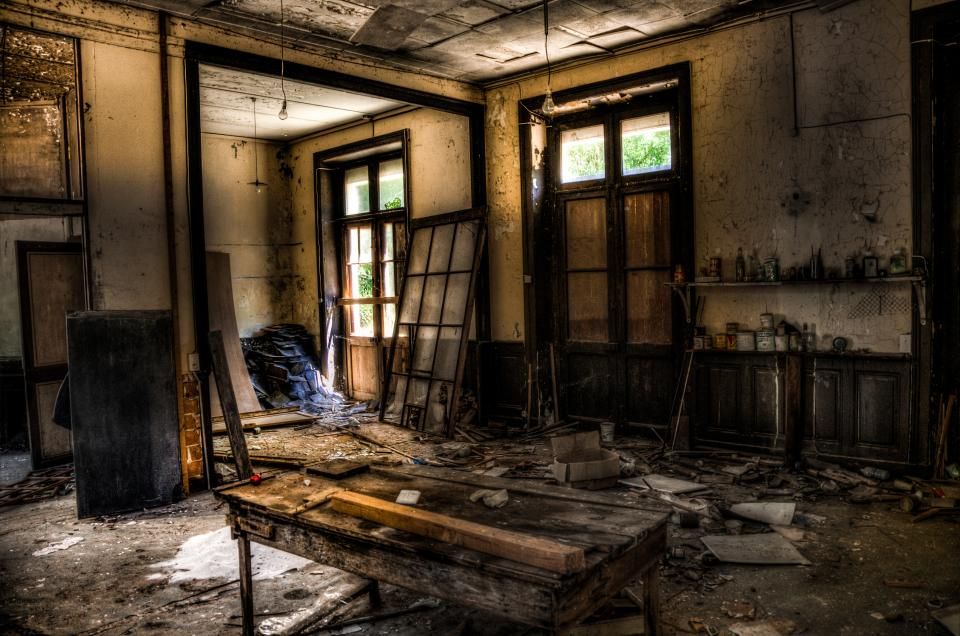
A renovation creates a surprising amount of rubbish. Old tiles, plasterboard, timber offcuts, bricks and packaging all have to go somewhere. Most of it can be reused or recycled if you plan for it before the first wall comes down. Leaving it until the skip arrives usually means everything ends up in landfill.
This guide covers simple ways to cut building waste on a home renovation. It looks at planning, salvage, recycling and the materials that need special care. None of it needs expensive gear or a big budget. It mostly needs a bit of thought early in the project.
How much waste building work creates
Building and demolition waste is the largest single waste stream in Australia. The 2022 National Waste Report found Australia generated about 75.8 million tonnes of waste in 2020/21. Building and demolition material made up 25.1 million tonnes of that. The same report found building materials had a recovery rate of 81 per cent, which shows how much of this waste can be recycled.
Not every load gets recovered, though. Household renovations are smaller, but they add up across the country. Every bathroom or kitchen that gets stripped out produces a load of mixed material. Sorting it properly is the difference between a recycled load and a landfill load. Large industries such as mining are working on zero waste goals for the same reason.
Plan the job to make less waste
The easiest waste to deal with is the waste you never create. Good planning starts with deciding what really needs to come out. A sound floor, a solid door or a working window may only need repair. Keeping what works saves money as well as landfill space.
Measure carefully and order materials to suit the job. Over ordering leaves you with stock that often gets thrown away later. Ask suppliers if they take back unopened boxes or full pallets. Some will also collect their own packaging when they deliver.
It helps to think about standard sizes during the design stage. Rooms planned around standard sheet and board sizes leave fewer offcuts. Your builder or designer can point out where small changes reduce cutting. That is one of the cheapest ways to trim waste on any project.
Salvage and reuse before demolition
Many parts of an older house still have plenty of life left in them. Doors, windows, beams, roofing iron, boards and fencing can all be taken out carefully and used again. Hot water systems and solar systems are sometimes reused too. The key is to remove them before any heavy demolition starts.
The NSW Government has shown how well this can work at scale. Through the Northern Rivers home buyback process, more than 450 homeowners chose to salvage materials. Over 70 per cent of materials, not counting asbestos, are being salvaged or recycled. Reclaimed items are going into new homes and community projects.
On a home renovation you can do the same thing on a smaller scale. Old bricks and pavers can be cleaned and used for garden paths or edging. Recovered timber can become shelving, raised beds or outdoor furniture. These ideas fit well with an eco friendly garden that uses what you already have.
Sort waste on site
Mixed skips are convenient, but they are hard to recycle. When concrete, timber, metal and plasterboard are kept apart, each one can go to the right facility. Set up separate piles or bins before the work begins. Label them so trades know where things go.
Some materials turn up on almost every renovation. Keeping them apart makes recycling much simpler. These are worth separating on most jobs:
- Concrete, bricks and rubble
- Clean timber offcuts and old framing
- Metals such as roofing iron, pipes and wiring
- Plasterboard offcuts
- Cardboard and plastic packaging
Old timber from frames, floors, decks and fences needs a little extra care. EPA Victoria notes that this timber is often treated or coated with hazardous substances. Keep it apart from clean timber offcuts. Ask your local waste facility how they want it delivered.
Know where your waste ends up
Responsibility for renovation waste does not stop at the skip. EPA Victoria says homeowners are responsible for making sure their renovation waste is managed lawfully. That applies even when a contractor does the work. You can be fined if you hire a business that dumps your waste illegally.
Ask any skip hire or removal business where they take the waste. It should go to a site authorised to accept that type of material. If you take a load yourself, check that the landfill or transfer station accepts it. Your local council can tell you which facilities are nearby.
Many councils do not take building material in household bins or hard rubbish collections. Rules differ between councils and states, so check before you start. Planning disposal early also makes it easier to budget for the job. It avoids a last minute scramble when the rubbish piles up.
Check for asbestos first
Asbestos is the most serious hazard in older homes. The Asbestos and Silica Safety and Eradication Agency says homes built or renovated before 1990 might contain it. It can be found in wall and ceiling sheeting, vinyl floor tiles, wall cladding and roof sheeting. Wet areas like bathrooms, kitchens and laundries are common places to find it.
Check for asbestos before any renovation, even minor drilling. You can have a sample tested by an asbestos professional. You can also assume the material contains asbestos and take precautions. The agency recommends hiring a licensed removalist, saying it is safer and often cheaper than doing it yourself.
The rules on removing asbestos yourself differ between states and territories. In the ACT, homeowners are not allowed to remove any amount themselves. Asbestos waste must go to a licensed landfill that accepts it. Putting it in a household bin can lead to a fine.
Cleaning up at the end
The final clean is another chance to cut waste. Reusable cloths and simple cleaning products can handle most building dust. This fits with the reasons eco friendly cleaning has become so popular in Australian homes. Leftover paint should be stored for touch ups or taken to a recycling drop off point.
Small leftovers can also find a new home. Spare tiles, screws and paint can be offered to neighbours or local community groups. The same habits that cut waste with green office supplies work here too. Buy what you need, reuse what you can and recycle the rest.
Frequently asked questions
Can I put renovation waste in my household bin?
Usually not. Many councils do not accept construction material in household bins or hard rubbish collections. Check with your local council about the right way to dispose of it.
Which renovation materials can be recycled?
Concrete, bricks, metals, clean timber and cardboard are commonly recycled when they are kept separate. Doors, windows and beams can often be reused as they are. Ask your local transfer station which materials they accept.
Do I need to test for asbestos before renovating?
If your home was built or renovated before 1990, it might contain asbestos. Check before drilling, cutting or removing anything. A licensed asbestos professional can test a sample for you.
Who is responsible if my builder dumps waste illegally?
In Victoria, EPA Victoria says the homeowner is responsible for making sure renovation waste is lawfully managed. You can be fined if the business you hire dumps it illegally. Rules in other states may differ, so check with your state environment regulator.
Rules on waste, asbestos and disposal differ between states, territories and councils, and they change over time. Check with your local council and state regulator before you start work.